
Es Tate figured estate planning was something you did at seventy. Then, in his twenties, a sudden medical emergency left him unable to speak for himself, and the people who loved him most spent years in court fighting over what he would have wanted.

Meet Es Tate, our resident ghost. A well-meaning, dapper soul who made every estate planning mistake the rest of us can still avoid. He's fictional, but his horrors aren't. Each story is inspired by real court cases, with names and details changed for privacy.
The Facts
Es Tate was young, married, and healthy. Like a lot of people his age, he had no will, no health care power of attorney, and certainly no living will. Why would he? That kind of planning was for people with gray hair and grandchildren.
Then, without warning, Es Tate’s heart stopped. Paramedics got it beating again, but his brain had gone too long without oxygen. He never regained consciousness. Doctors diagnosed a persistent vegetative state. He could breathe on his own, but he needed a feeding tube to survive.
His wife, Tess Tator, became his guardian, and at first the family pulled together. But years passed with no sign of improvement. Tess came to believe that Es Tate would never have wanted to live this way, and she asked to have the feeding tube removed. His parents were just as certain of the opposite. They believed he would want every chance to recover, and they fought to keep the tube in place.
With no written instructions to settle it, the question landed in court. What would Es Tate have wanted? The evidence came down to a few offhand remarks he had made years earlier about not wanting to be kept alive on machines. Tess and members of her family testified about those conversations. His parents painted a very different picture of their son, a story about wanting to live at all costs. What hurts is that both sides believed they were right. They only had scraps of his intentions and their own readings of them.
It was really impossible to tell what Es Tate would have wanted.
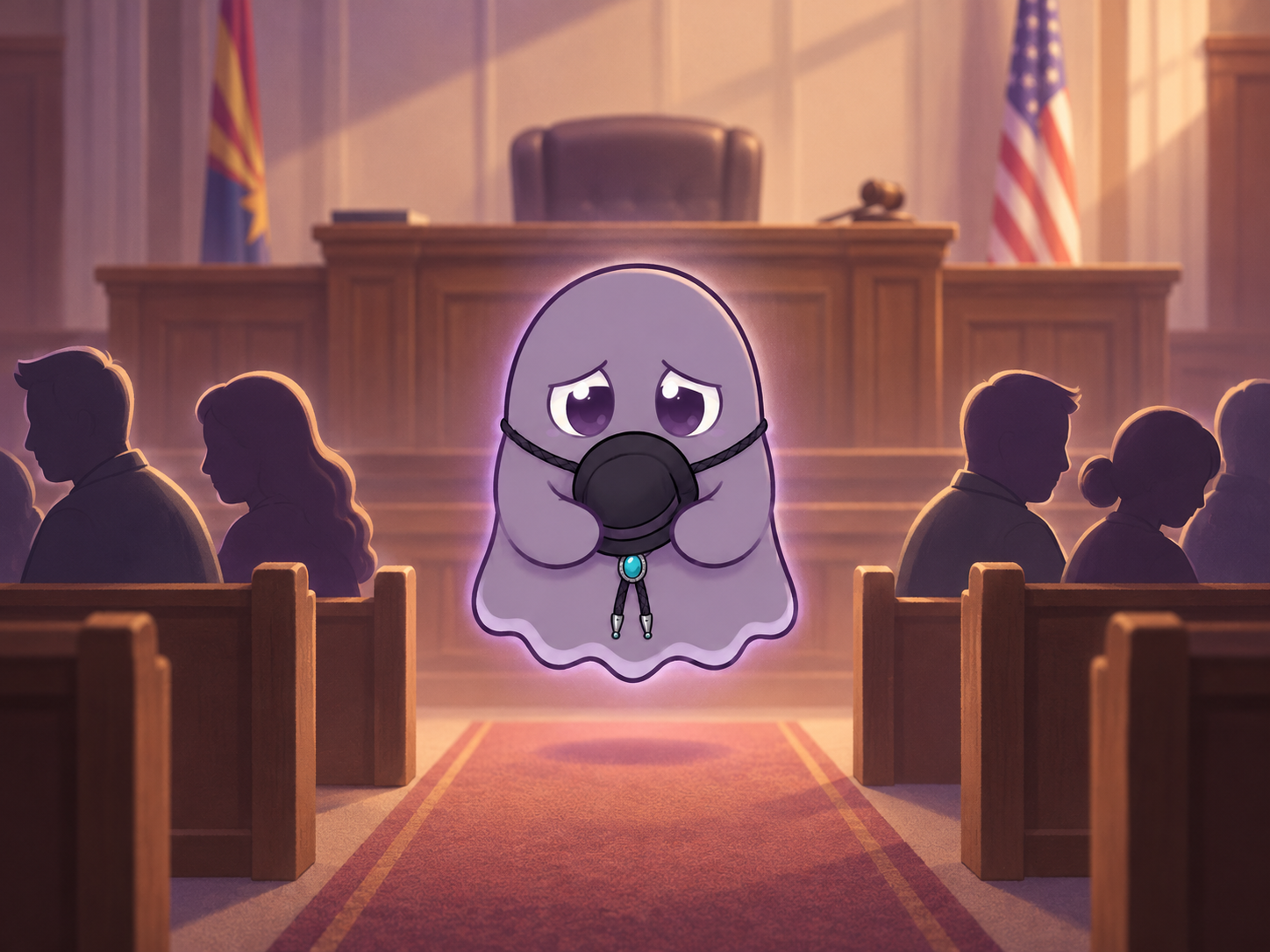
The trial court sided with Tess. That was only the beginning. Its ruling brought a new appeal, and then that ruling brought another, and another. Every appeal brought new hearings, new medical opinions, and new headlines. The feeding tube was removed and reinserted more than once. When the courts finally reached the end of the road, the first ruling stood, and Es Tate passed. By then, his family had spent the better part of a decade at war.
The Legal Reality
Your right to refuse medical treatment doesn’t disappear when you can no longer speak. Arizona’s Supreme Court has recognized that right, and that a guardian can exercise it on your behalf.
The decision-maker isn’t supposed to choose what they would want. They’re supposed to step into your shoes and make the choice you would have made, based on what you said, wrote, and did about medical care while you still could. We call it “substituted judgment.” Only when there’s no reliable evidence of your wishes does the decision shift to what’s in your best interests.
That’s exactly where Es Tate’s family got stuck. A few passing comments, remembered differently by people who loved him, are thin evidence for a life-or-death decision. So a judge had to weigh competing memories and just make a choice. A judge’s, not Es Tate’s.
Arizona’s statutes make the path even narrower. Without a health care power of attorney, your spouse is first in line to make most medical decisions under A.R.S. § 36-3231. But a default decision-maker can’t approve permanently removing a feeding tube (A.R.S. § 36-3203). That takes a court-appointed guardian. And if anyone challenges the guardian’s decision, Arizona law presumes that a patient with no living will or other directive wants food and fluids to continue. Outside of narrow medical exceptions, overcoming that presumption takes clear and convincing evidence of what the patient said while he still could (A.R.S. § 36-3206).
Now picture the version where everything goes right. Es Tate signs a health care power of attorney naming Tess under A.R.S. § 36-3221, and a living will under A.R.S. § 36-3261 spelling out what he would want if he were ever in a persistent vegetative state. When the worst happens, Tess hands the documents to his doctors. No guessing. No guardianship. No courtroom. His parents might still grieve, disagree, and even hate Tess for her role. But the decision is Es Tate’s, in his own words, and is done because he wanted it.
The Horror!
Es Tate didn’t make a bad decision. He made no decision at all, and that left the people he loved to make it for him.
He thought he was too young to need a plan. Health care directives aren’t about age. They’re about the unexpected, and the unexpected doesn’t check your birth certificate first.
He left his wishes to memory. A few passing comments, recalled years later by people with very different perspectives, became the most important evidence of his life.
He left no one clearly in charge. Without a named agent, the law’s default rules, and ultimately a judge, decided who spoke for him. The people who loved him became courtroom adversaries.
He turned a private decision into a public court case. One of the most personal choices a family can face was argued in public, decided by strangers, and dragged out for years.
The hardest part? Everyone at that bedside loved Es Tate. That’s exactly why they fought year after year for what they thought he wanted.
What Es Tate Should Have Done
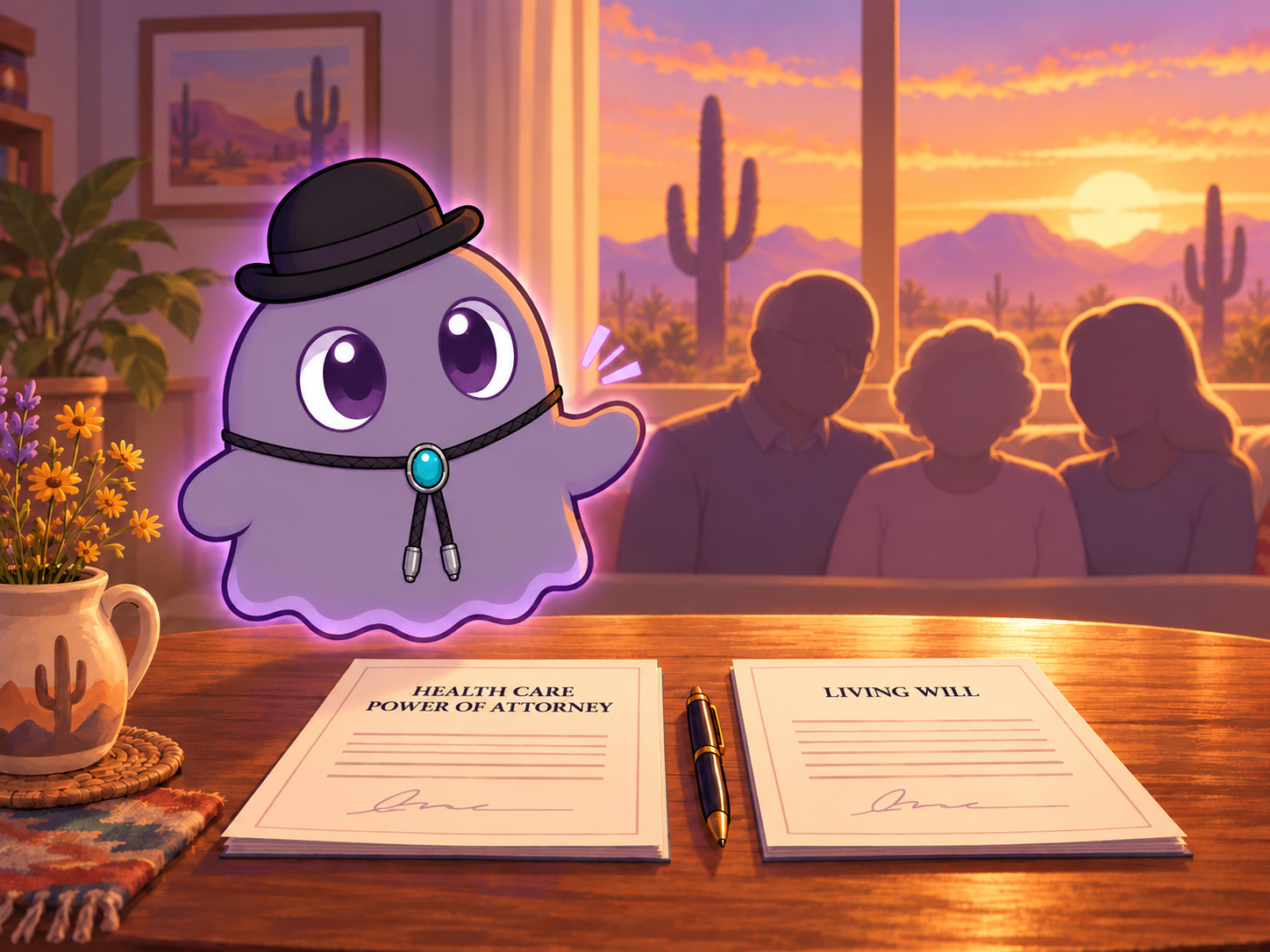
Signed a health care power of attorney. One trusted agent, plus a backup or two, with clear authority to make decisions about life support and feeding tubes.
Put his wishes in a living will. Whether he wanted every possible treatment or none at all, the point isn’t which choice is right. It’s that the choice should be his.
Had the conversation. He should have told Tess and his parents what he wanted, and who he’d chosen to speak for him, long before anyone needed to know.
Made his documents easy to find. Copies with his agent and his doctors, and a registration with Arizona’s free Healthcare Directives Registry, so his wishes could be found the moment they mattered.
Conclusion
No document can prevent a tragedy. But the right documents can prevent the family tug-of-war that follows one. A health care power of attorney and living will take an afternoon to sign. A court battle can take years.
For a full rundown of how Arizona health care powers of attorney, living wills, and DNR forms work, read our companion post, How Do Health Care Powers of Attorney and Living Wills Work in Arizona?
Don’t leave your loved ones with a horror story like Es Tate’s. Whether you’re 25 or 85, if you don’t have a health care power of attorney and living will, schedule your Free 30-Minute Peace of Mind Session with the Danza Law Office. 100% virtual and deeply personal, from anywhere in Arizona.
Until next time.
Es Tate is a fictional character. His stories are inspired by a combination of real court cases, with names and details changed. This post is general education about Arizona law, not legal advice. Every situation is different, so talk to an attorney about yours.
